
I left the office later than planned — a meeting that should have ended at five-thirty stretched to six-fifteen, and by the time I reached Toa Payoh MRT the sun was already low. I had intended to go straight home, shower, eat something from the fridge, and collapse. But the light at the exit was extraordinary: a deep amber pouring between the blocks, turning the familiar estate into something I did not quite recognise.
I turned left instead of right and started walking. No route in mind. Just following the light.
Toa Payoh is old by Singapore standards — one of the first towns built by the HDB in the 1960s. I have lived here long enough that the blocks should feel invisible to me by now. But at this hour, with the sun at a particular angle, the geometry of the estate becomes visible again. The long corridors of shadow between towers. The way the sky opens above the central town park. The elderly residents on their evening constitutionals, moving slowly, nodding to neighbours they have known for forty years.
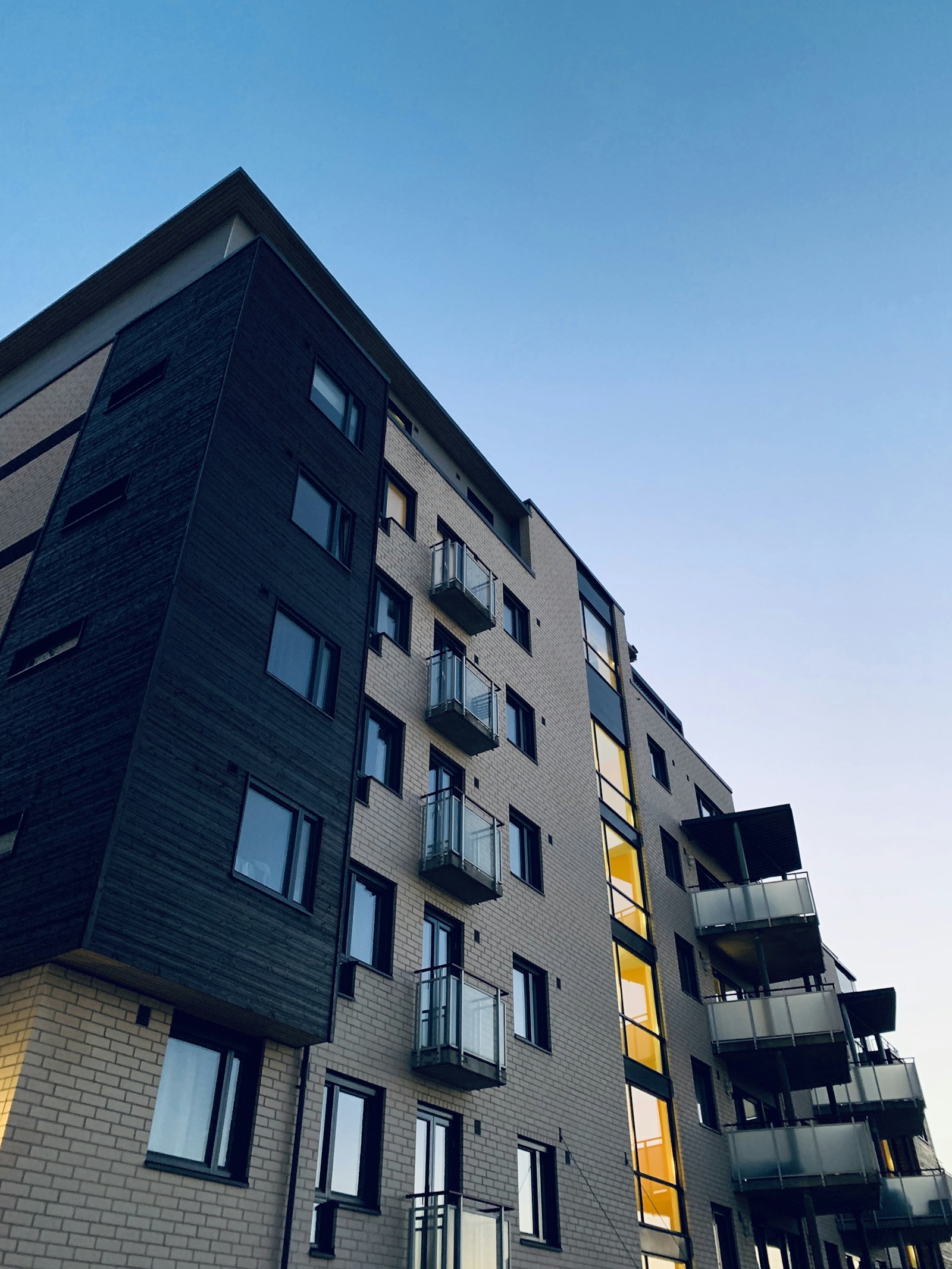
I walked past the market, already closing. Stalls were being hosed down. A fishmonger wrapped his remaining stock in newspaper. The smell of ginger and disinfectant mixed in the warm air. A child on a bicycle circled the void deck of Block 79 — my block — calling for a friend who was not coming out. The sound echoed in a way that only happens in the hour before dinner, when the estate is between activities.
Near the town park I stopped on a bench and watched the light change. It does not last long, this golden hour. Maybe twenty minutes in June, when the sun sets quickly and the humidity holds the warmth close to the ground. The grass in the park looked lit from within. An uncle flew a kite — a simple diamond shape, red, dipping and rising on a breeze I could not feel from the bench.
I thought about how rarely I walk without purpose in my own neighbourhood. I commute through it. I buy groceries in it. I sleep in it. But I do not often move through it slowly, with no destination, letting the light decide the direction. There is a difference between living somewhere and actually being present in it. The golden hour makes that difference visible.
By the time I reached home the amber had faded to grey-blue. My neighbour was watering her plants on the corridor. She asked if I had a good day. I said yes, which was true, though the best part of it had happened in the last forty minutes of an otherwise ordinary Friday.
I made tea and sat by the window. The last trace of gold was gone, but something of it remained — not in the room, but in the way I was paying attention. That is what I want to remember: not the photograph I took, though I took one, but the feeling of turning left when I meant to turn right, and finding the estate new again in old light.