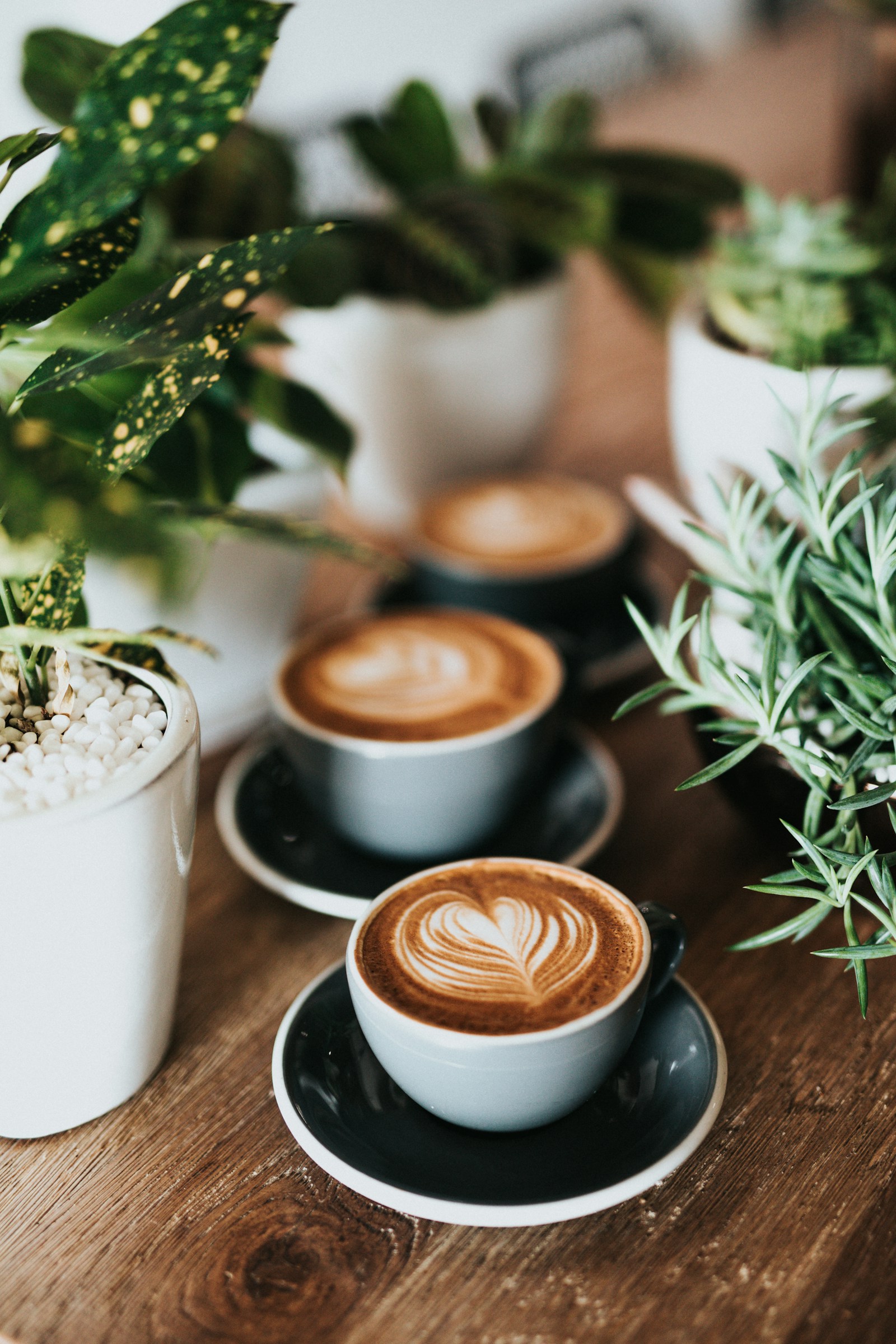
I arrived at the kopitiam at seven-fifteen, which is my usual time on Mondays. The uncle behind the counter looked up, nodded once, and turned to the kopi machine before I had fully crossed the threshold. By the time I reached the counter, my kopi-o kosong was already sliding across the marble top, still steaming, with a plate of kaya toast waiting beside it.
We have never discussed my order formally. I started coming here in late 2023, after the previous place I frequented closed for renovation and never reopened. For the first two weeks I said my order aloud each morning — kopi-o kosong, kaya toast, soft-boiled eggs on Fridays only. By the third week he stopped asking. By the fourth, he was preparing it when he saw me through the glass door.
There is something about being remembered that goes beyond convenience. I could order through an app. I could make coffee at home in my flat, which is what I tell myself I should do when I am trying to save money. But the kopitiam is not really about the coffee. It is about the small contract between regular and stallholder — unspoken, unwritten, but real. He knows I do not take sugar. He knows I prefer the toast cut into triangles. He knows, on rainy days, to slide the cup a little closer so I do not have to reach across a wet counter.
This morning was particularly busy. A group of secondary school students crowded the front tables, uniforms slightly rumpled, voices loud in the way teenagers are loud when they are happy to be out of the house. An elderly man sat alone by the window, reading the newspaper with a magnifying glass. The uncle moved between orders with the calm efficiency of someone who has done this for decades — which, I learned from a neighbour, he has. Thirty-one years at this stall, same location, same marble counter worn smooth by elbows and cups.
I sat at my usual table — second from the left, near the fan — and watched him work. When a new customer hesitated at the menu board, he did not rush them. He waited. When a regular walked in, he started their order before they sat down, just as he does for me. There is a rhythm to it, a kind of neighbourhood choreography that you only notice when you stop checking your phone long enough to look.
On the way out I left the usual tip in the jar — not required, not expected, but my small way of saying thank you for the triangles and the kosong and the rainy-day slide. He caught my eye and gave the smallest nod. That was enough.
I walked home through the estate with my hands around an empty cup I had forgotten to throw away. The morning was still cool. The blocks were waking up — windows opening, laundry poles extending, the first buses rumbling along Lorong 4. I thought about how many people in this neighbourhood start their day the same way: same stall, same order, same uncle who knows without being told.
It is not a remarkable story. That is precisely why I wanted to write it down. The world is full of loud achievements and curated highlights. But most of life is kopi-o kosong on a Monday morning, prepared by someone who remembered. That is the glow I mean — small, warm, easy to overlook, impossible to replicate in an app.